
Commercial Loans for Retail Shops and Strata Offices: Small-Lot Lender Appetite
ADS Team
Author
November 8, 2026
about 20 hours ago
11
views
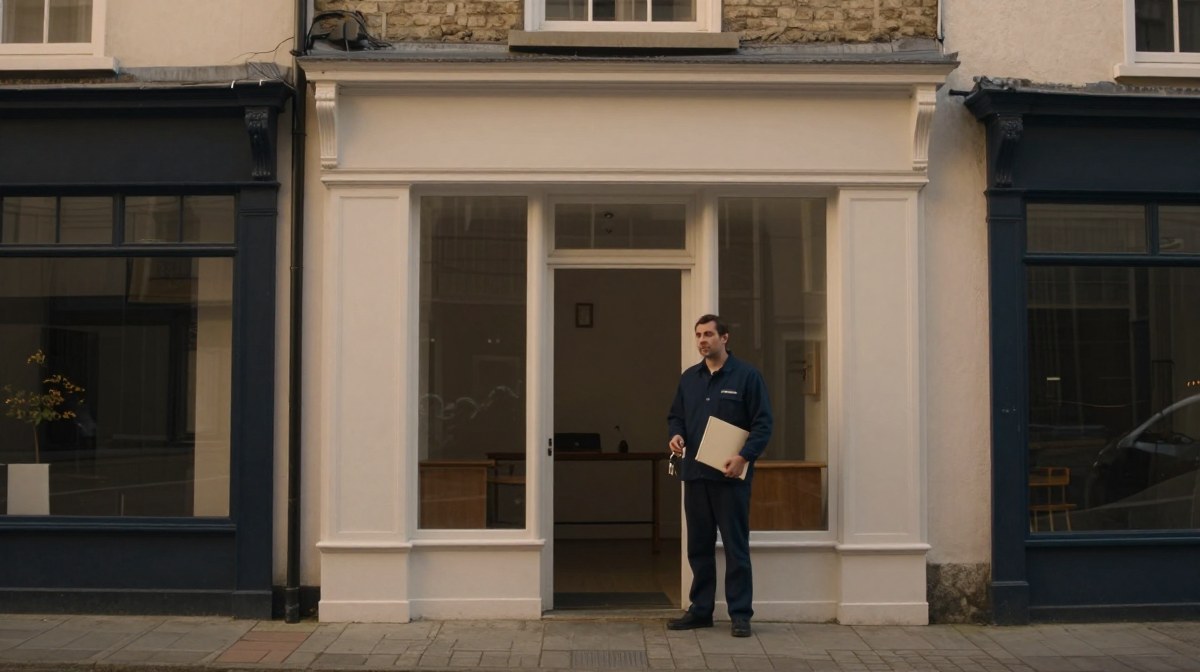
In short: Lenders fund small shops and strata offices, but they treat them more cautiously than larger buildings. Commercial loans on small lots usually come with lower LVRs, closer attention to the tenant and lease, and a review of the strata scheme's levies and capital works fund. The reason is re-leasing risk: one small space has one tenant, so a vacancy takes all the income at once. Some lenders also set minimum floor areas or avoid certain buildings, so appetite varies more than for standard property.
Key takeaways
- Small lots carry concentrated risk: one tenant, one income stream, and a vacancy that can wipe out a year's net rent.
- In the worked example, six months of vacancy and three months rent-free turn $44,200 of net income into a $3,500 loss - with $30,600 of interest still due.
- Expect lower maximum LVRs than for larger assets, and some lenders to exclude very small suites or particular buildings.
- The strata report matters: levies, the capital works or sinking fund balance, special levies and building defects all reach the valuation.
- Tenant covenant - trading history, lease security, personal guarantees - moves both the valuation and the lender's appetite.
- The RBA reports retail vacancy falling and lower-grade office weaker, so the building and its location matter as much as the price.
Why are lenders more cautious with small retail and strata office lots?
A $700,000 strata office and a $7,000,000 office building can share the same cap rate and still look very different to a lender. The larger building usually has several tenants on staggered leases; if one leaves, most income continues. The small lot has one tenant. When that tenant goes, income drops to zero, the owner pays every outgoing, and the space may need an incentive to re-let.
Lenders also think about who buys a small lot after a default: usually another owner-occupier or a private investor, a pool that shrinks sharply in a weak local market. And strata adds a layer the owner does not control - the owners corporation sets levies, decides on works, and can raise special levies.
Sector conditions shape appetite too. The RBA's October 2026 Financial Stability Review reports that tenant preference for prime office space is supporting valuations and rents, while conditions remain weaker for lower-grade offices and in areas with high vacancies such as parts of Melbourne. In retail, it reports valuations and rents rising gradually as vacancy declines across most retail asset types, though higher interest rates and cost pressures on retailers may weigh on demand.
How does lender appetite differ by type of small lot?
| Property | Bank appetite (general) | Non-bank appetite (general) | Indicative maximum LVR (varies by lender) |
|---|---|---|---|
| Strip shop on an established high street, long lease, strong tenant | Broad | Broad | Around 60-70% |
| Strip shop, local tenant, short lease | Moderate | Broad | Around 55-65% |
| Strata office of standard size in a well-kept building | Moderate | Broad | Around 55-65% |
| Very small strata suite or serviced office | Narrow | Moderate | Lower, or declined |
| Shop-top property with a residence above | Case by case | Moderate | Depends on how each part is assessed |
| Vacant shop or office | Narrow | Moderate, often short-term | Lower |
Some lenders set a minimum floor area for strata offices, or exclude certain buildings, suburbs or regional towns; the thresholds differ and change, so ask before you sign a contract rather than after. For a broader view of how lease terms drive leverage, see commercial property loans: LVR and lease doc.
What does a vacancy do to a small-lot investment?
A worked example, figures for illustration only. An 85 square metre strata office costs $680,000 ($8,000 per square metre). It is let on a gross lease at $53,000 a year, and the owner pays $8,800 of outgoings - strata levies, rates, water and insurance - leaving $44,200 of net income, a 6.5% net yield. The lender lends 60%, or $408,000, at an illustrative 7.5%: $30,600 of interest a year, for an interest cover of 1.44 times.
Now the tenant leaves at lease expiry. The office sits empty for six months, then lets to a new tenant who receives three months rent-free.
| Year with a vacancy | Amount |
|---|---|
| Rent received (3 months of $53,000 a year) | $13,250 |
| Outgoings for the year | -$8,800 |
| Leasing fee (15% of the first year's rent) | -$7,950 |
| Net income | -$3,500 |
| Interest still due | -$30,600 |
| Shortfall the owner funds | -$34,100 |
That is why lenders look at the borrower's other income and cash on small-lot investments, and why a lease with a year to run attracts a vacancy allowance from the valuer. Test the loan against your own numbers in the commercial LVR and security calculator.
What do lenders check in the strata report?
For a strata lot, the lender and valuer read the strata (owners corporation) records as part of the property:
- Levies - the administrative and capital works levies per lot, and how they have moved over recent years.
- The capital works or sinking fund - the name varies by state. A low balance against an old building suggests special levies ahead.
- Special levies - any raised or proposed, and what for.
- Building defects - waterproofing, cladding, fire safety or structural issues, and any disputes or legal action.
- Insurance - the building policy, its sum insured and any exclusions.
- By-laws - limits on permitted uses, signage or trading hours that affect who can lease the space.
Get the strata report before exchange, not after. A large special levy or an unresolved defect can reduce the valuation, delay the credit decision or change the lender's mind.
How much does the tenant's strength matter?
On a small lot, the tenant is most of the risk. Lenders and valuers weigh:
- Who the tenant is - a national or listed retailer, an established professional practice, or a new small business.
- Trading history - how long the tenant has traded there and whether rent has been paid on time.
- Lease security - a bank guarantee or bond (often a few months' rent) and personal guarantees from the tenant's directors.
- Remaining term and options - and whether the tenant is likely to exercise them.
- The use - a café fit-out or medical suite may be hard for the next tenant to reuse.
The effect on the numbers can be large. Take two identical strip shops, each earning $60,000 a year net (illustrative figures). Shop A is let to a national retailer on a seven-year lease with a bank guarantee; shop B to a new café operator with two years left.
| Shop A: national tenant, long lease | Shop B: new local tenant, short lease | |
|---|---|---|
| Cap rate (illustrative) | 5.75% | 6.75% |
| Value | $1,043,478 | $888,889 |
| Maximum LVR (illustrative) | 65% | 60% |
| Maximum loan | $678,261 | $533,333 |
Same rent, same building, but a $154,589 difference in value and a $144,928 difference in what the lender will advance - all from the tenant and the lease.
Retail leases are also shaped by state retail leasing laws, which can affect disclosure, the outgoings a landlord can recover and how the lease ends. Ask your lawyer to review the lease with that in mind before you buy.
Which lenders fund small shops and strata offices?
Banks fund many small lots, particularly where the borrower has strong income and other assets, or is an owner-occupier. Non-bank lenders often have wider appetite for small or older buildings, short leases and alternative documentation, at higher rates - our guide to low doc business loans explains how alternative documentation works. Private lenders tend to fill short-term gaps, such as buying a vacant shop and leasing it before refinancing.
Pricing follows base rates as well as risk. The RBA's cash rate target was 4.60% from 30 September 2026; check the current figure when you compare offers.
What duty and GST issues should you plan for?
This is general information, not tax advice. Duty is charged by each state on the purchase - Revenue NSW, for example, explains that you generally must pay transfer duty when you buy property. In Victoria, retail premises and offices are among the common qualifying uses for the commercial and industrial property tax, under which duty is paid on an entry transaction from 1 July 2024 and, after a 10-year transition, an annual 1% of site value applies - see understanding commercial and industrial property tax. A leased shop or office sold with its lease may be GST-free as a going concern if the conditions are met; otherwise GST is usually added to the price.
How do you make a small-lot loan easier to fund?
- Check lender appetite for the specific building and lot size before signing the contract.
- Get the strata report, the lease and the tenant's payment history early.
- Keep a cash buffer covering at least a year of interest and outgoings for the vacancy case above.
- Prefer a longer lease with security from an established tenant over a slightly higher rent from a new one.
- If you will occupy the space yourself, have two years of business financials ready - lenders then assess the business, not a tenant.
For loans assessed mainly on rent, see lease doc loans based on rental income. When the property and the paperwork are ready, post one commercial loan request on ADS and 200+ verified lenders and brokers can ask about it.
Frequently asked questions
Do lenders have a minimum size for strata offices?
Some do. Certain lenders set a minimum internal floor area for strata offices, or exclude very small suites and serviced offices, because they are harder to re-lease and resell. The thresholds differ between lenders and change over time, so confirm appetite for the specific lot before you exchange contracts.
What LVR can I get on a small retail shop?
Indicatively, around 55-70% of the valuation, depending on the location, the tenant, the lease term and the lender. A shop on an established high street with a strong tenant on a long lease sits at the upper end; a short lease with a new local tenant, or a vacant shop, sits lower. Limits vary widely by lender.
Do strata levies affect a commercial loan?
Yes. Levies are an outgoing that reduces net income on a gross lease, and the valuer and lender read the strata records for the capital works or sinking fund balance, special levies and building defects. A large proposed special levy or an unresolved defect can reduce the valuation or delay the lender's credit decision.
Is it harder to borrow against a vacant shop?
Usually. Without a tenant there is no rent to service the loan, so lenders look to your other income and assets, and many lend at a lower LVR or only on a short-term basis. Some investors buy vacant shops with a non-bank or private lender, lease them, then refinance to a longer-term lender once the lease is in place.
Is it easier to borrow for a strata office I will occupy myself?
Often. As an owner-occupier, the lender assesses your business's profit rather than a tenant's lease, and adds back the rent you stop paying. Established professional practices with steady earnings tend to be well regarded. The lender still values the lot, reads the strata records and considers resale, so the maximum LVR may still sit below that for a larger property.
Are shop-top properties with a flat above harder to finance?
They can be. The commercial and residential parts may be valued and assessed differently, and some lenders treat the whole property under one policy or the other. Appetite depends on the lender, the mix of income and whether the borrower lives there. Ask for a lender's position on mixed-use property before you commit.
Related reading
- Commercial Property Loans: LVR and Lease Doc
- Lease Doc Loans Based on Rental Income
- Low Doc Business Loans: How They Work and What They Cost
Sources
- Financial Stability Review, October 2026 - commercial real estate — Reserve Bank of Australia
- Cash rate target — Reserve Bank of Australia
- Transfer duty — Revenue NSW
- Understanding commercial and industrial property tax — State Revenue Office Victoria
Information current as at 24 October 2026.
General advice warning: This article contains general information only. It does not take into account your objectives, financial situation or needs, and it is not personal credit or financial advice. Consider whether it is appropriate for you and seek advice from a licensed credit representative before acting.
Any interest rate shown is an example only and is not an offer of credit. Where a rate is quoted, the applicable comparison rate is available from the relevant lender and should be considered alongside it.
Tags
Related Posts
Commercial Property Loans for Industrial and Warehouse Assets
Lenders generally like standard industrial property: simple buildings, broad tenant demand and land that holds value. Commercial property loans on warehouses are sized at the lower of an LVR on the...
Vendor Finance When Buying a Business: How Seller Loans Work With a Lender
Vendor finance when buying a business means the seller lets you pay part of the price later, as a vendor loan or deferred payments, so the bank or other senior lender funds less on day one. Senior...
SMSF Commercial Property Loans After the August 2026 Borrowing Change
From 10 August 2026, a new limited recourse borrowing arrangement (LRBA) that an SMSF uses to buy real property can only be used for business real property - broadly, land and buildings used wholly...